I Was Stuck at the Same 5K Pace for 6 Months — Here’s How I Fixed It With AI
I was stuck at the same 5K pace for 6 months. An AI running form analysis revealed overstriding, low cadence, and hip drop. Here's the 5-week fix that dropped 45 seconds.


My 5K race time had been stuck at 24:30 for over six months. IT band pain was flaring up on my longer runs, my knee felt stiff after every workout, and I was on the edge of a real injury. I was running more miles, doing my track intervals, staying consistent, eating well. Nothing was moving the needle. Every time I tried to hold a sub-8:00 pace for more than a mile, my heart rate spiked and my legs felt heavy.
I want to be honest: I almost gave up on the idea of getting faster this season. I'd tried everything the running forums recommend — more volume, longer long runs, more hill work. None of it was helping. I was ready to accept that I just wasn't built to get faster. Then, with nothing left to lose, I decided to try something I'd always dismissed as unnecessary: analyzing my actual running form.
I set up my phone against a water bottle on the track, filmed twenty seconds of video from the side, and put it through the GaitLab app. I got a 6.3/10 Running Form Score back in about a minute. It wasn't what I expected. What hit me hardest was seeing the numbers laid out so plainly — no guesswork, just data about every stride I take.
📱 Want to know your own numbers? GaitLab analyzes your running form for free from any 20-second video. Download for iOS | Download for Android
Overstriding, Low Cadence, and Hip Drop: What the AI Found
The app flagged three specific biomechanical flaws holding my pace back: Low Cadence, Overstriding, and Excessive Vertical Oscillation. Seeing them laid out visually — with my actual stride overlaid frame by frame — made it impossible to deny.
My cadence was sitting at 158 steps per minute, well below the 170–180 range that running biomechanics research suggests is optimal for recreational runners. GaitLab explained that this low cadence was causing me to reach too far forward with each step — classic overstriding. My foot was landing roughly 14cm in front of my center of mass, which meant I was essentially braking with every single stride. Across a typical easy run of 40,000 footstrikes, that's a staggering amount of wasted energy and cumulative impact loading.
The analysis also flagged a trunk lean of 8 degrees forward — slightly excessive — along with noticeable hip drop on my right side. That hip drop is a classic sign of glute weakness that forces compensatory stress up the kinetic chain toward the IT band and knee. This wasn't just about pace. It was a real injury risk that had probably cost me three weeks of training already due to soreness and forced rest days.
My average easy-run pace at the time was around 1:47 per 400m, and I hadn't touched that in months despite consistent training. The form analysis made it crystal clear why: I was fighting my own biomechanics with every step.
Fixing My Running Form: The 5-Week Overstriding Plan
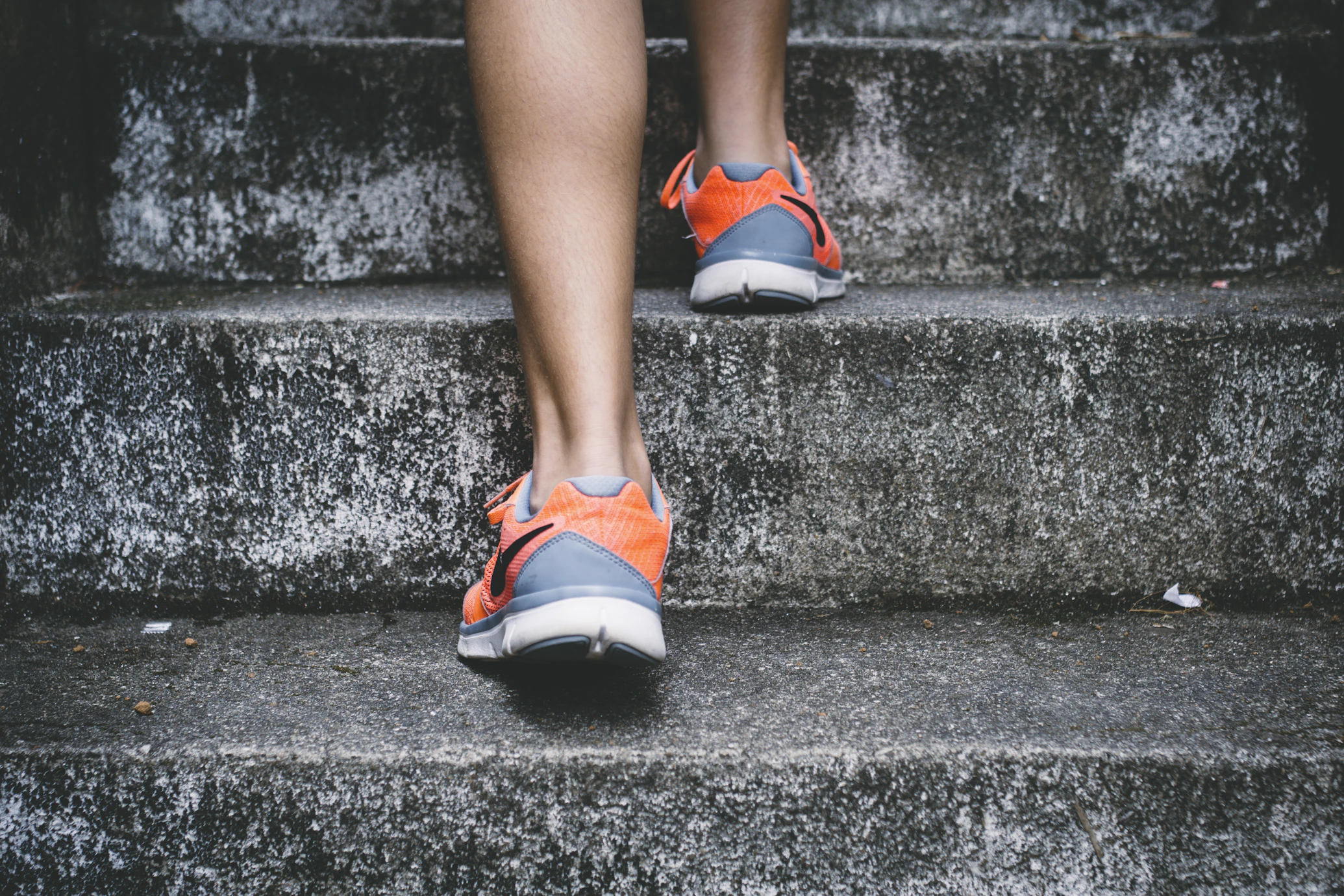
Over the next five weeks, I stopped focusing purely on hitting split times and started working on those specific form issues. The goal was to rewire my running movement patterns, not just push harder. Based on the GaitLab recommendations, here's the exact drill protocol I followed:
- Metronome cadence runs: Added a free metronome app to all easy runs, building from 160 spm toward 168 spm over three weeks. Even a modest cadence increase reduces braking forces and IT band stress on every stride.
- Clamshell exercises (3×15 each side): These directly target the glute medius — the muscle responsible for preventing hip drop. Two minutes before every run, without exception. After two weeks I could feel the difference in how stable my hips felt at mile 4.
- Single-leg Romanian deadlift (3×10 each side): To build the hip and glute strength needed to maintain proper form when fatigued. This deadlift variation also trains the hamstring eccentric control that protects the IT band during the landing phase.
- High-knee drills: 10 minutes before speed workouts to train my foot to land underneath my hips rather than out in front. It felt unnatural for the first two weeks, then started to click.
- Quick-step strides: Short 20-second acceleration bursts with a focus on rapid, light footstrikes — reinforcing the quicker cadence pattern at a higher effort level.
I wasn't doing more miles. I wasn't adding any intensity. I was just running better, one workout at a time. You can read more about For deeper context, read about how to stop overstriding and how finding your optimal cadence can change your running.
Results: From IT Band Pain to a 5K PR
Six weeks later, I went back to the track for a 5K time trial. The difference was night and day. I crossed the line at 23:45 — a 45-second PR that I hadn't come close to in over a year of trying.
More importantly, my easy pace dropped by almost 20 seconds per mile at the exact same heart rate. I wasn't getting fitter in that short time frame. I was just wasting less energy with every stride. The IT band soreness that had been a constant companion on long runs? Gone after about week three of the form work.
I re-analyzed my running form recently and my score had bumped up to a 7.8/10, with my cadence consistently over 162 spm. My overstriding had reduced significantly and the hip drop on my right side had almost disappeared — confirmed by GaitLab's side-view analysis overlay.
If you feel like you're working hard but not getting faster, you might be fighting your own biomechanics. The invisible flaws in your stride — the ones you can't see or feel in the moment — could be costing you more time than any training plan can give back.
How to Analyze Your Own Running Form (Free)
It takes about two minutes and it's completely free. Just film yourself running for 20 seconds from the side and let the AI analyze your cadence, overstriding, hip alignment, and vertical oscillation in real time. No lab, no coach, no expensive equipment required.